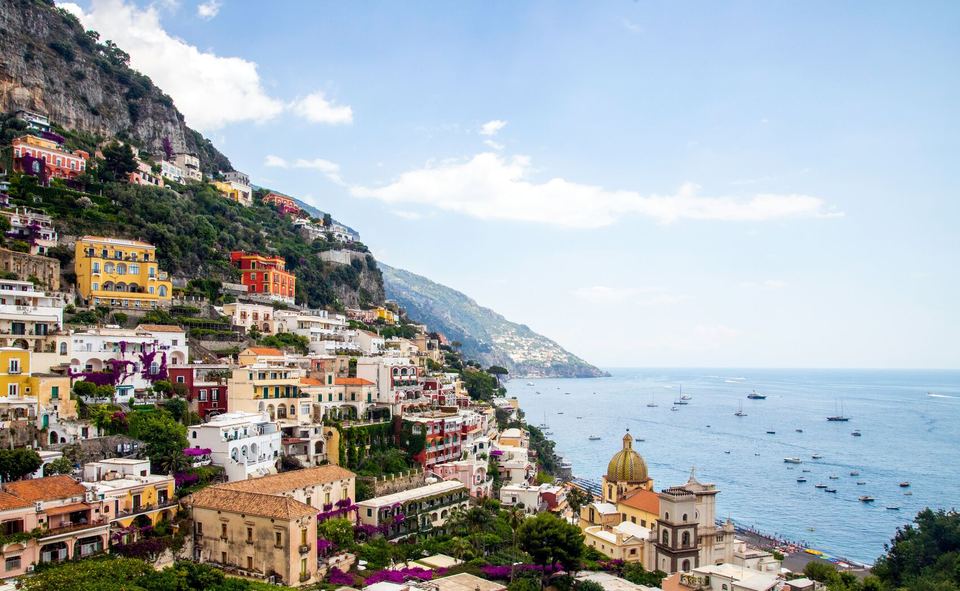
a sample plan, 10 days
10 days in Italy by train: Rome, Florence and the Amalfi Coast
Ten days is enough for a first trip to Italy if you keep it to three bases. This plan gives Rome, Florence and the Amalfi Coast three nights each, moves between them by high-speed train and ferry, and never needs a car.
Free to ask. We email a quote first, and you pay nothing until you've agreed to it.
Prefer to talk? Call or text (616) 585-0206. Leave a voicemail or send a text and Aaron gets back to you.
Quick answer: Spend three nights in Rome (the historic center, the Colosseum and Forum, the Vatican), three in Florence (the Duomo, the Uffizi and Accademia, the Oltrarno) and three in Amalfi (Amalfi, Positano, Ravello), then finish with a day in Naples. Travel by high-speed train: Rome to Florence takes about 1 hour 30 minutes, and Florence to Salerno about 4 hours, where a 35-minute ferry runs to Amalfi. Go in April to June or September and October, and book the Vatican Museums, Colosseum, Uffizi and Accademia ahead.
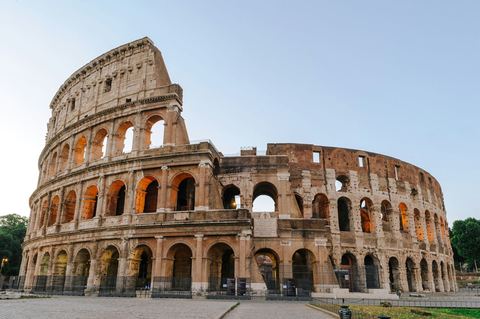
The Colosseum, day 2 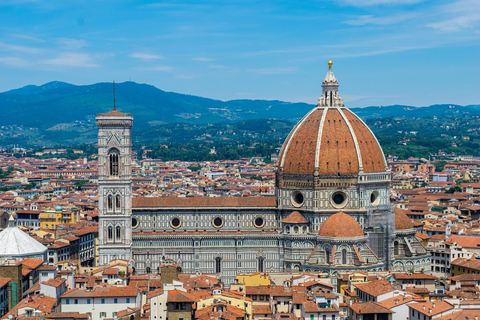
Florence's Duomo, day 4 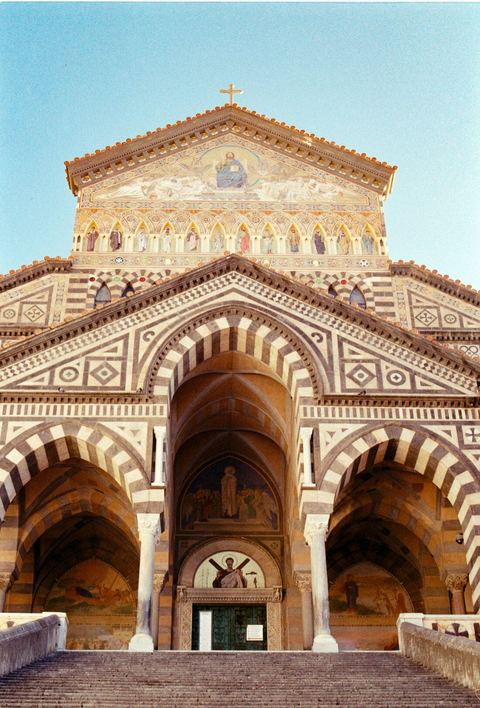
Amalfi Cathedral, day 7
Sample itinerary. This plan shows the format and level of detail of a VanSledright Travel itinerary. Opening hours, prices, train and ferry times and booking rules change, so confirm the details with each provider before you book. Each day ends with a breakfast, lunch and dinner pick near that day’s stops; price levels run from $ (inexpensive) to $$$$ (a splurge), and restaurants change too, so check before you go.
Where should you stay in Rome, Florence and on the Amalfi Coast?
Split the trip into three bases of three nights each.
In Rome, stay in the historic center between the Pantheon and Piazza Navona, or in Monti, the neighborhood beside the Forum. Both put most of days 1 and 2 within walking distance. Trastevere has more nightlife and suits a later schedule.
In Florence, the center is small, so anywhere between the Duomo and the river works. Staying near Santa Maria Novella station makes the two train days easier. The Oltrarno, across the river, is quieter and full of workshops and trattorias.
On the coast, stay in Amalfi town. It has the main ferry pier and the bus hub, so Positano, Ravello and Salerno are each one ride away. Positano is prettier and more expensive, with many more steps. If you would rather not carry bags up stairs, ask your hotel how far it is from the pier or bus stop before you book.
Each city adds a tourist tax per person per night, paid at the hotel, and it is higher for higher-rated hotels.
How do you get around Italy by train?
Two companies run high-speed trains on this route: Trenitalia, with its Frecciarossa trains, and Italo. Rome to Florence takes about 1 hour 30 minutes, Florence to Salerno about 4 hours on a direct train, and Naples to Rome a little over an hour. Fares rise as the date gets closer, and every seat is reserved, so book the three long journeys once your dates are fixed. Buy from the operators’ own websites or apps.
In the cities, walk. Rome’s metro helps for the Colosseum (line B) and the Vatican (line A), and you can tap a contactless bank card at the gate. Florence needs no transport at all. On the Amalfi Coast, use the ferries when they run and the SITA Sud buses when they do not.
Flying into Rome and home from Naples saves a journey. From Rome’s Fiumicino airport, the Leonardo Express train runs nonstop to Termini station. If your flight home leaves from Rome, the train back from Naples is short enough to do on the last evening.
Day 1: Rome’s historic center
Morning. Arrive, drop your bags and start on foot. Begin at Campo de’ Fiori, where the market runs in the morning except on Sundays, and walk to Piazza Navona and its three fountains. Keep the first day free of timed tickets in case your flight is late.
Afternoon. Walk to the Pantheon, the best-preserved building of ancient Rome. It now charges a small entry fee, sold at the door or online. Continue to the Trevi Fountain. As of 2026, visitors pay 2 euros to step down to the edge of the basin between 9am and 10pm, and looking from the square above is still free. Finish at the Spanish Steps.
Evening. Stay near the Spanish Steps for dinner, then walk back past the Trevi Fountain after dark, when it is lit and the square is calmer. Romans eat from about 8pm.
Where to eat on day 1
- Breakfast: Sant’Eustachio il Caffè (Pantheon, $). A coffee bar roasting its own beans since 1938, one block from the Pantheon, for an espresso and a pastry at the counter.
- Lunch: Armando al Pantheon (Pantheon, $$$). A family trattoria open since 1961, a few steps from the Pantheon, for Roman classics. Tables are released online 30 days ahead and go fast; closed Saturday evening and Sunday.
- Dinner: Ristorante Nino (Spanish Steps, $$$). A restaurant serving Tuscan cooking since 1934, two streets from the Spanish Steps where the day ends. Closed Sunday and in August.
Day 2: The Colosseum, the Forum and Monti
Morning. Visit the Colosseum on a timed ticket booked ahead on the archaeological park’s official ticket site. Tickets carry your name, so bring the passport or ID you booked with. Take the earliest slot you can get. It is cooler and the light is better.
Afternoon. The same ticket covers the Roman Forum and the Palatine Hill next door. Walk the Via Sacra through the Forum, then climb the Palatine for the view back over the ruins. There is little shade, so carry water and refill at the public fountains. Afterwards, climb to Piazza del Campidoglio, the square Michelangelo designed on the Capitoline Hill.
Evening. Walk into Monti, a neighborhood of narrow streets, small shops and wine bars just north of the Forum, for a drink in Piazza della Madonna dei Monti and dinner nearby. Order one of the city’s four pastas: carbonara, cacio e pepe, amatriciana or gricia.
Where to eat on day 2
- Breakfast: Antico Forno Roscioli (Campo de’ Fiori, $). A bakery run by the Roscioli family since 1972 that opens at 7:30, for pastries or a slice of pizza bianca before the walk to the Colosseum.
- Lunch: Ai Tre Scalini (Monti, $$). A wine bar dating to 1895 on Via Panisperna, ten minutes’ walk from the Forum, with a short menu of plates to share. Open every day; no reservations.
- Dinner: La Carbonara (Monti, $$). A trattoria on Via Panisperna since 1906, and a sensible place to order the pasta it is named for. Closed Sunday and for part of August.
Day 3: The Vatican and Trastevere
Morning. Visit the Vatican Museums and the Sistine Chapel on a timed ticket from the museums’ own website. They open Monday to Saturday and close on Sundays, except the last Sunday of the month, which is free and very crowded. Book the first entry of the day and go straight to the Raphael Rooms and the chapel before the galleries fill.
Afternoon. Walk around to St. Peter’s Basilica. Entry is free, but everyone passes through security, and the line is shortest late in the afternoon. Shoulders and knees must be covered here and in the Sistine Chapel. Then walk down Via della Conciliazione to Castel Sant’Angelo and the river.
Evening. Cross the Tiber to Trastevere. See the mosaics in the church of Santa Maria in Trastevere, then have dinner in the lanes around it.
Where to eat on day 3
- Breakfast: Sciascia Caffè 1919 (Prati, $). A coffee bar open since 1919 in the streets east of the Vatican, about ten minutes’ walk from the museum entrance.
- Lunch: Pizzarium (Prati, $$). Gabriele Bonci’s pizza-by-the-slice counter, sold by weight and eaten standing, a short walk from the Vatican Museums. Open every day.
- Dinner: Trattoria Da Enzo al 29 (Trastevere, $$). A small trattoria on a quiet street in Trastevere for Roman pastas and artichokes. It takes no reservations, so arrive before it opens at 6:30pm; closed Sunday.
Day 4: Train to Florence and the Duomo
Morning. Take a mid-morning high-speed train from Roma Termini to Firenze Santa Maria Novella, about 1 hour 30 minutes. Florence’s station is a ten-minute walk from the cathedral, so leave your bags at the hotel and go straight out.
Afternoon. Start at Piazza del Duomo. The cathedral itself is free to enter. Climbing Brunelleschi’s dome needs a pass with a reserved time, sold on the cathedral’s official ticket site, and the slots sell out well ahead in busy months. The same pass covers Giotto’s bell tower, the Baptistery and the Opera del Duomo Museum, which holds the original Baptistery doors.
Evening. Walk to Piazza della Signoria and the Ponte Vecchio at dusk. Florence’s signature dish is bistecca alla fiorentina, a thick T-bone priced by weight and meant for two or more people to share.
Where to eat on day 4
- Breakfast: Mercato Centrale Roma (Termini station, $). A food hall on the Via Giolitti side of Termini that opens at 7:30am, so you can have coffee and a pastry and walk to the platform.
- Lunch: Trattoria Zà Zà (San Lorenzo, $$). A Tuscan trattoria in the market square since 1977, between the station and the Duomo, that serves through the afternoon if your train runs late.
- Dinner: Il Latini (Santa Maria Novella, $$$). A long-running trattoria known for bistecca alla fiorentina, a short walk from the station. Dinner only on weekdays; check before going on a Monday.
Day 5: The Uffizi, San Lorenzo and the Accademia
Morning. Visit the Uffizi Gallery on a timed ticket from the Uffizi’s own ticket site. Allow three hours for Botticelli, Leonardo and the rooms that follow. The Uffizi and the Accademia both close on Mondays, so if this day falls on a Monday, swap it with day 6.
Afternoon. Walk north to San Lorenzo: the leather stalls outside, the Mercato Centrale food market and the Medici Chapels. Then see Michelangelo’s David at the Galleria dell’Accademia. Reserve a time here too. Without one, the wait at the door can be long.
Evening. Have an aperitivo in Piazza della Repubblica or near San Lorenzo, then dinner.
Where to eat on day 5
- Breakfast: Caffè Gilli (Piazza della Repubblica, $$$). A cafe that traces its history to 1733, on the way from most hotels to the Uffizi. Stand at the bar as locals do; table service costs more.
- Lunch: Mercato Centrale Firenze (San Lorenzo, $$). The food hall on the upper floor of the San Lorenzo market, open every day, with stalls for pasta, pizza, lampredotto and more. It sits between the morning’s and the afternoon’s stops.
- Dinner: Trattoria 13 Gobbi (Santa Maria Novella, $$$). A Tuscan trattoria open since 1997, known for rigatoni served in a tureen and steak cooked over coals. Open every day; book ahead.
Day 6: The Oltrarno and Piazzale Michelangelo
Morning. Cross the Ponte Vecchio to the Oltrarno. Visit the Pitti Palace, the Medici’s later home, and walk up through the Boboli Gardens behind it. The palace closes on Mondays and the gardens on the first and last Monday of each month.
Afternoon. Wander the workshop streets around Via Maggio and Piazza Santo Spirito, then see the church of Santo Spirito, designed by Brunelleschi. Later, walk or take a bus up to San Miniato al Monte, a Romanesque church above the city.
Evening. Walk down to Piazzale Michelangelo for sunset over the river, the Ponte Vecchio and the dome. Then go back down the steps to San Niccolò or Santo Spirito for dinner.
Where to eat on day 6
- Breakfast: Rivoire (Piazza della Signoria, $$$). A cafe on the square since 1872, known for its hot chocolate, a few minutes from the Ponte Vecchio and the walk across the river.
- Lunch: Trattoria La Casalinga (Santo Spirito, $$). A family trattoria open since 1963, around the corner from Piazza Santo Spirito, for home-style Tuscan cooking. Closed Sunday.
- Dinner: Trattoria 4 Leoni (Oltrarno, $$$). A trattoria on the small Piazza della Passera, open every day, on the way back from Piazzale Michelangelo toward the Ponte Vecchio. Book ahead.
Day 7: Train and ferry to Amalfi
Morning. Take a direct high-speed train from Florence to Salerno, about 4 hours. Direct trains run only a few times a day; otherwise change in Naples or Rome. Take the earliest one that suits you, and bring a snack for the train.
Afternoon. At Salerno, walk from the station to the pier at Piazza della Concordia, a few minutes away, and take the Travelmar ferry to Amalfi, about 35 minutes. Arriving by sea is the best first view of the coast. Check in, then climb the wide staircase to Amalfi Cathedral and visit the Cloister of Paradise beside it.
Evening. Walk up the main street past the lemon stalls, then have dinner in town. Try scialatielli, the thick local pasta, with seafood.
Where to eat on day 7
- Breakfast: Caffè Paszkowski (Piazza della Repubblica, $$$). A cafe on the square since 1903 that opens at 8am, ten minutes’ walk from the station.
- Lunch: Trattoria Da Maria (Amalfi, $$). A trattoria and pizzeria open since 1968 on the main street beside the cathedral, for a late lunch after the ferry. Check its kitchen hours if you arrive mid-afternoon.
- Dinner: Taverna Buonvicino (Amalfi, $$$). Tables in a small square up a lane from the cathedral, away from the main street, for seafood and local pasta. Book ahead.
Day 8: Positano by ferry
Morning. Take a morning ferry from Amalfi to Positano, about 25 minutes. From the pier, climb through the lanes of shops to the church of Santa Maria Assunta with its tiled dome, then keep going up to the road for the view down over the town.
Afternoon. Come back down for a swim. Spiaggia Grande, the main beach, is by the pier. Fornillo beach, ten minutes along the cliff path, is quieter. Both have a free section and paid sunbeds.
Evening. Take a late-afternoon ferry back to Amalfi and have dinner by the water. Check the time of the last sailing when you arrive in Positano. If the sea turns rough and ferries stop, the SITA Sud bus covers the same route.
Where to eat on day 8
- Breakfast: Pasticceria Pansa (Amalfi, $$). A pastry shop on the cathedral square since 1830 that opens at 7:30am, for a lemon pastry and coffee before the ferry.
- Lunch: Buca di Bacco (Positano, $$$). A hotel restaurant on Spiaggia Grande since 1916, with a terrace over the beach, a few steps from the ferry pier.
- Dinner: Ristorante Marina Grande (Amalfi, $$$). A restaurant on Amalfi’s beach, a short walk from the ferry pier, for fish with the water in front of you. It is seasonal: in 2026 it opens from early March to late October.
Day 9: Ravello and Atrani
Morning. Take the SITA Sud bus from Amalfi up to Ravello, a hill town high above the sea. Buy your ticket before boarding, at a tobacconist or the ticket office by the bus stop. Visit Villa Rufolo, whose terraced garden looks straight down the coast.
Afternoon. Walk ten minutes through the lanes to Villa Cimbrone and its Terrace of Infinity, a clifftop balcony lined with marble busts. Take the bus back down, or walk the old stepped path down to Atrani if your knees allow. It takes about an hour and is all downhill.
Evening. Atrani is the small village next to Amalfi, ten minutes away on foot. Have a drink in its square, then dinner.
Where to eat on day 9
- Breakfast: Pasticceria Pansa (Amalfi, $$). The cathedral square is a two-minute walk from the bus stop for Ravello, so this is the easy stop again. Try the sfogliatella this time.
- Lunch: Ristorante Villa Maria (Ravello, $$$). A hotel restaurant open since 1934 that cooks from its own terraced garden, on the lane between Villa Rufolo and Villa Cimbrone. Reserve before you go up.
- Dinner: A’ Paranza (Atrani, $$$). A seafood restaurant open since 1986, just off Atrani’s small square. Closed Tuesday; book ahead.
Day 10: Naples and home
Morning. Take a morning ferry back to Salerno and a train to Napoli Centrale, under an hour on most services. Leave your bags at the station’s left-luggage office.
Afternoon. Walk into the historic center along Via dei Tribunali and Spaccanapoli, the long straight street that cuts the old city in two. See the Sansevero Chapel and its Veiled Christ. Entry is by timed ticket, best bought online ahead, and the chapel closes on Tuesdays. Then visit the Duomo.
Evening. Have an early dinner near the station. Then fly home from Naples, or take a high-speed train to Rome, a little over an hour, if your flight leaves from there.
Where to eat on day 10
- Breakfast: Pasticceria Pansa (Amalfi, $$). It opens at 7:30am, early enough for a coffee before a morning ferry to Salerno.
- Lunch: L’Antica Pizzeria da Michele (Naples, near the station, $). A pizzeria dating to 1870 with a very short menu, between Napoli Centrale and the historic center. Expect a wait at peak times.
- Dinner: Mimì alla Ferrovia (Naples, near the station, $$$). A Neapolitan restaurant open since 1943, a few minutes’ walk from Napoli Centrale, for a last dinner before the train or the airport. Small groups are seated first come, first served.
When is the best time for this trip?
April to June and September to mid-October are the months this plan is written for. The days are warm, the ferries run their full timetable and everything on the coast is open.
July and August are the high season. Rome and Florence are hot, so do the outdoor sights first thing and keep the museums for the afternoon. Timed tickets for the Vatican Museums, the Colosseum, the Uffizi and the dome in Florence sell out earlier, so book them weeks ahead. On the Amalfi Coast the road is slow and the buses are full, so use the ferries, and buy tickets the day before for the sailings you need. Rooms on the coast cost the most in these months.
November to March changes the coast more than the cities. Travelmar describes its Salerno to Amalfi ferries as a year-round service, but the timetable is thinner outside the main season and sailings are canceled in bad weather, so plan around the SITA Sud buses. Many hotels and restaurants in Amalfi and Positano close for part of the winter. Rome and Florence are quiet and easy, with short lines.
What should you book ahead in Italy?
Book these as soon as your dates are fixed:
- The three long train journeys: Rome to Florence, Florence to Salerno, and Naples to Rome if you need it.
- The Vatican Museums, on the museums’ official site, for the first entry of the day.
- The Colosseum, Forum and Palatine, on the archaeological park’s official ticket site, with the ID you will carry.
- The Uffizi and the Accademia, each on its official ticket channel.
- The dome climb in Florence, with a reserved time.
- The Sansevero Chapel in Naples.
- Dinner tables at the smaller trattorias, a week or two ahead.
Want an Italy plan built for your trip?
This sample is written for two adults on a first visit, traveling by train. A custom plan starts from your own dates, budget and interests: a family trip, more food and wine, Venice or Tuscany’s hill towns added in, or a slower trip with fewer museums.
A custom itinerary for a trip of 8 to 14 days is $249. Send your details through the form below and we’ll confirm the plan and the price by email before you pay anything. See pricing for shorter trips.
Sources and further reading
- Vatican Museums: official site, opening days and tickets
- Turismo Roma: Trevi Fountain access ticket
- Uffizi Galleries: tickets for the Uffizi, Pitti Palace and Boboli Gardens
- Galleria dell'Accademia di Firenze: visiting information
- Opera di Santa Maria del Fiore: official Florence Duomo tickets
- Italo: high-speed train destinations and journey times
- Travelmar: Amalfi Coast ferry timetable
- Sansevero Chapel Museum, Naples

Aaron VanSledright plans every VanSledright Travel itinerary himself: he reads each request, plans the trip day by day and checks every restaurant pick when the plan is written. He founded 45Squared LLC, the Midwest company behind VanSledright Travel, in 2015.
Common questions
Is 10 days enough for Rome, Florence and the Amalfi Coast?
Yes, if you stop there. Three nights in each place gives you two full days in Rome, two in Florence and two on the coast, plus the travel days, which still leave an afternoon free. Adding Venice or Cinque Terre to the same ten days means spending much more of the trip on trains. If you want a fourth stop, add days instead.
What is the best month for this Italy itinerary?
May, June, September and early October work best. The weather is warm, the Amalfi Coast ferries run their full timetable and the hotels and restaurants on the coast are open. July and August are hot and crowded, with the highest prices. From November to March the cities are quiet and pleasant, but many places in Positano and Amalfi close and ferries are fewer, so swap the coast for more time in Naples or Tuscany.
How do you get to the Amalfi Coast by train?
No train runs along the Amalfi Coast itself. Take a high-speed train to Salerno, walk a few minutes from the station to the pier at Piazza della Concordia and take a ferry to Amalfi, which takes about 35 minutes. When the sea is rough or the timetable is thin, SITA Sud buses run the coast road from Salerno instead. From Naples, the usual route is the same train to Salerno, or the local train to Sorrento and a bus or ferry from there.