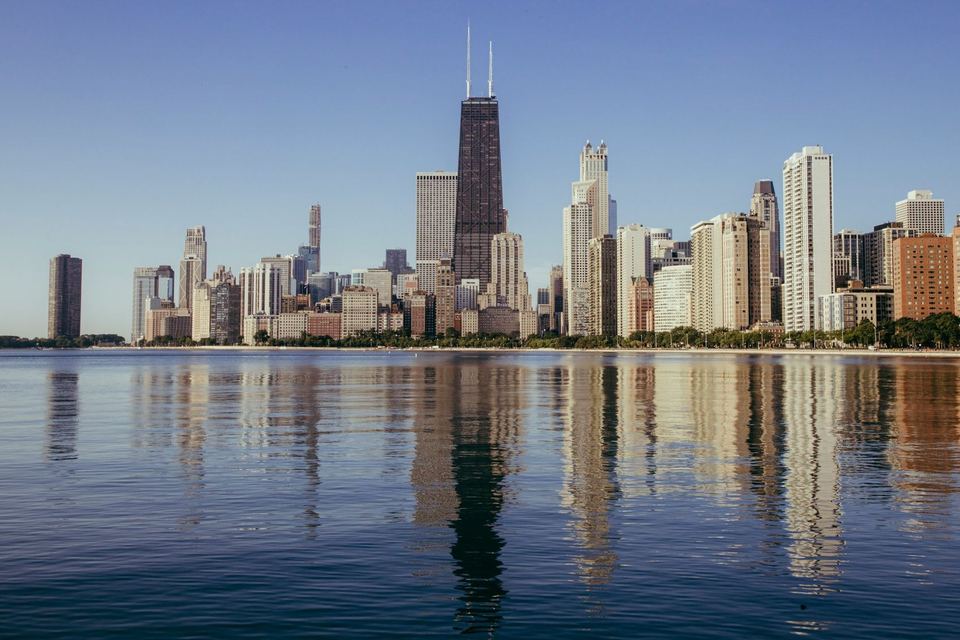
a sample plan, 3 days
3 days in Chicago, a first-timer's itinerary
Three days is enough to see Chicago's downtown highlights and get a taste of its neighbourhoods. This plan works best between late spring and early autumn, without a car.
Quick answer: Spend day 1 in Millennium Park and the Art Institute, then take an architecture boat tour on the Chicago River. Spend day 2 at the Museum Campus and an observation deck, with dinner in the West Loop. Spend day 3 in Lincoln Park and Wicker Park, or at a Cubs game at Wrigley Field. Stay in the Loop or River North and use the ‘L’ trains.
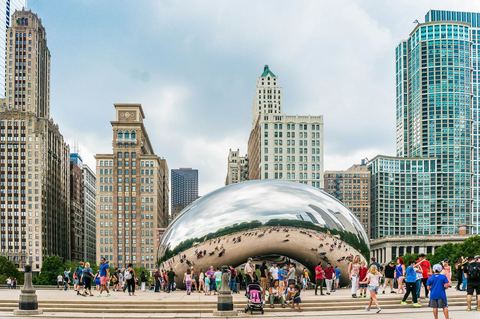
the Bean, day 1 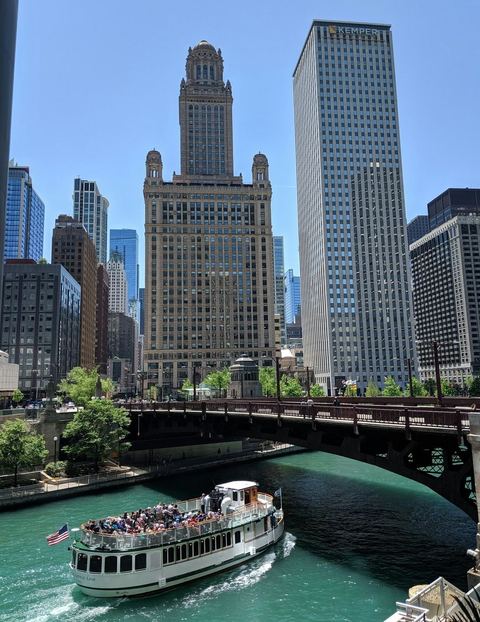
river cruise, day 1 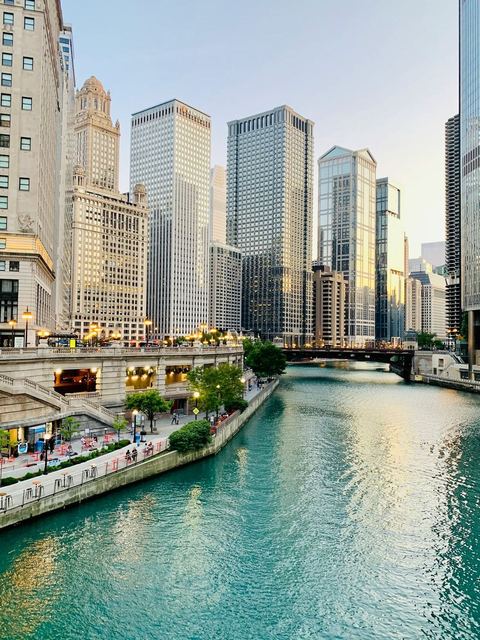
the Riverwalk
Sample itinerary. This plan shows the format and level of detail of a VanSledright Travel itinerary. Opening hours, prices, timetables and booking rules change, so confirm the details with each provider before you book.
Where should you stay for 3 days in Chicago?
For a short first visit, stay in the Loop, River North or Streeterville. All three are within walking distance of Millennium Park, the Chicago River and the lakefront, with ‘L’ stations close by. River North has the most restaurants and nightlife. Streeterville is quieter and close to the lake. The Loop is the most central and the easiest base for this plan.
If you’d rather stay somewhere more residential, Lincoln Park and Wicker Park both have hotels and short-term rentals and a short train ride to downtown.
How do you get around Chicago?
Use the CTA’s ‘L’ trains and buses. You can pay at the turnstile with a contactless bank card or phone, with the Ventra app, or with a Ventra card. From O’Hare, the Blue Line runs to downtown around the clock. From Midway, take the Orange Line to the Loop.
Downtown is flat and easy to walk, and Divvy bike-share stations are found across the city. You don’t need a car for this plan, and parking downtown is expensive.
Day 1: Millennium Park, the Art Institute and the river
Morning. Start at Millennium Park: Cloud Gate (the “Bean”), the Crown Fountain and the lawn in front of the Jay Pritzker Pavilion. Walk through the Lurie Garden, then cross the Nichols Bridgeway into the Art Institute of Chicago. Give the museum at least three hours. Its collection includes Seurat’s A Sunday on La Grande Jatte, Hopper’s Nighthawks and Wood’s American Gothic; check what’s on view before you go, as works travel on loan.
Afternoon. Walk to the Chicago Riverwalk and take an architecture boat tour. Several operators leave from docks near the Michigan Avenue bridge, and the tours explain the buildings along the river’s main and branch channels. Book a departure ahead in summer.
Evening. Have deep-dish pizza in River North. Deep dish takes a while to bake, so expect to wait or order ahead.
Day 2: The Museum Campus, the lakefront and a view from the top
Morning. Walk south through Grant Park, past Buckingham Fountain, to the Museum Campus on the lakefront. Choose one: the Field Museum, home of SUE the T. rex; the Shedd Aquarium; or the Adler Planetarium. One large museum is plenty for a morning. All three are popular, so buy timed tickets online.
Afternoon. Walk part of the Lakefront Trail, which runs along the shore for about 18 miles, for skyline views back toward downtown. Then see the city from above: the Skydeck at Willis Tower or 360 Chicago at 875 North Michigan Avenue. Pick one and book a time slot.
Evening. Head to the West Loop for dinner. Randolph Street and Fulton Market are lined with some of the city’s best-known restaurants; book ahead on Fridays and Saturdays.
Day 3: Lincoln Park, Wicker Park or Wrigley Field
Morning. Take the train or bus north to Lincoln Park. Lincoln Park Zoo is free to enter, and the Lincoln Park Conservatory is next door. Walk east to North Avenue Beach for one of the best views of the skyline across the water.
Afternoon. Choose one. Walk the 606, an elevated trail on a former rail line, into Wicker Park and Bucktown for independent shops and coffee. In baseball season, see a Cubs game at Wrigley Field, the team’s home since 1916. Or ride the Pink Line to Pilsen for its murals and the National Museum of Mexican Art.
Evening. Try an Italian beef sandwich or a Chicago-style hot dog, then live music: the Green Mill in Uptown for jazz, or Buddy Guy’s Legends in the South Loop for blues.
When is the best time to visit Chicago?
Late May to early October is the easiest time for this plan. The weather is warm, the lakefront is busy, the river tours run their full schedules and baseball is in season. Summer weekends bring festivals and higher hotel prices, so book rooms early.
Winters are cold and windy, but the museums, theatres and restaurants all stay open, and the city’s holiday markets run from late November. If you visit in winter, swap the boat tour for a second museum and the beach for an indoor afternoon.
What should you book ahead in Chicago?
Book these before you arrive, especially in summer:
- The architecture boat tour, for a specific departure time.
- Timed museum tickets for the Art Institute and whichever Museum Campus museum you choose.
- An observation deck time slot at Skydeck or 360 Chicago.
- Cubs tickets, if you’d like to see a game.
- Dinner reservations in the West Loop on weekends.
Want a Chicago plan built for your trip?
This sample is written for two adults on a first visit. A custom plan starts from your own dates, budget, pace and interests: a family weekend, a food-focused trip, a winter visit or a fourth day added on.
A custom itinerary for a trip of up to 3 days is $79. Send your details through the form below and we’ll confirm the plan and the price by email before you pay anything. See pricing for longer trips.
Common questions
Is 3 days enough to see Chicago?
Three days is enough for a first visit if you focus on downtown and one or two neighbourhoods. You’ll see Millennium Park, a major museum or two, the river architecture and the lakefront. With a fourth day you could add a second museum, Hyde Park, Oak Park’s Frank Lloyd Wright buildings, or simply a slower pace.
Do you need a car in Chicago?
No. The ‘L’ trains and CTA buses reach everything in this plan, downtown is flat and walkable, and parking downtown is expensive. A car only makes sense if you’re adding trips out of the city. For short hops late at night, rideshare and taxis are easy to find in the central neighbourhoods.
What's the easiest way from O'Hare to downtown Chicago?
Take the CTA Blue Line, which runs around the clock between O’Hare and downtown. You can pay at the turnstile with a contactless bank card or phone, or with a Ventra card. From Midway Airport, the Orange Line runs to the Loop. Check the CTA website for current fares and any planned service changes.